Genetics
DNA / Biological Recognition
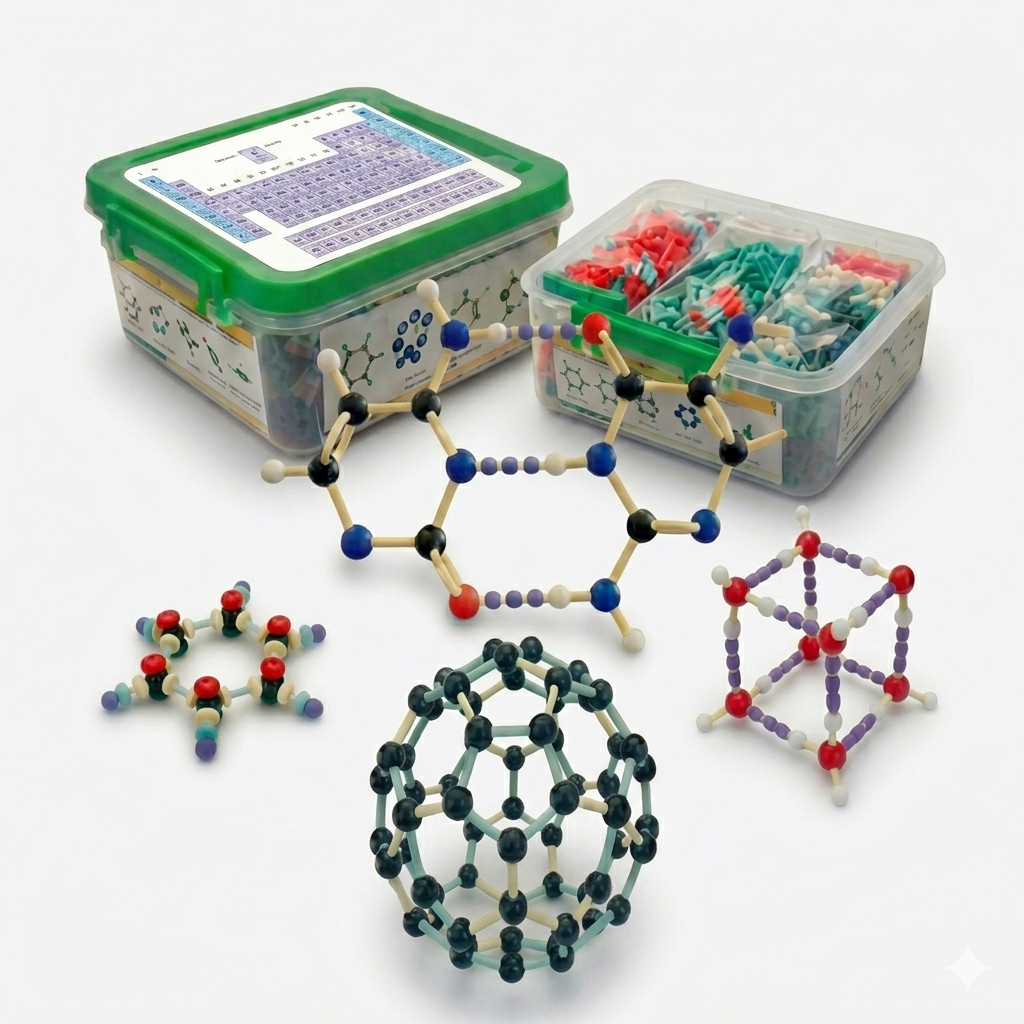
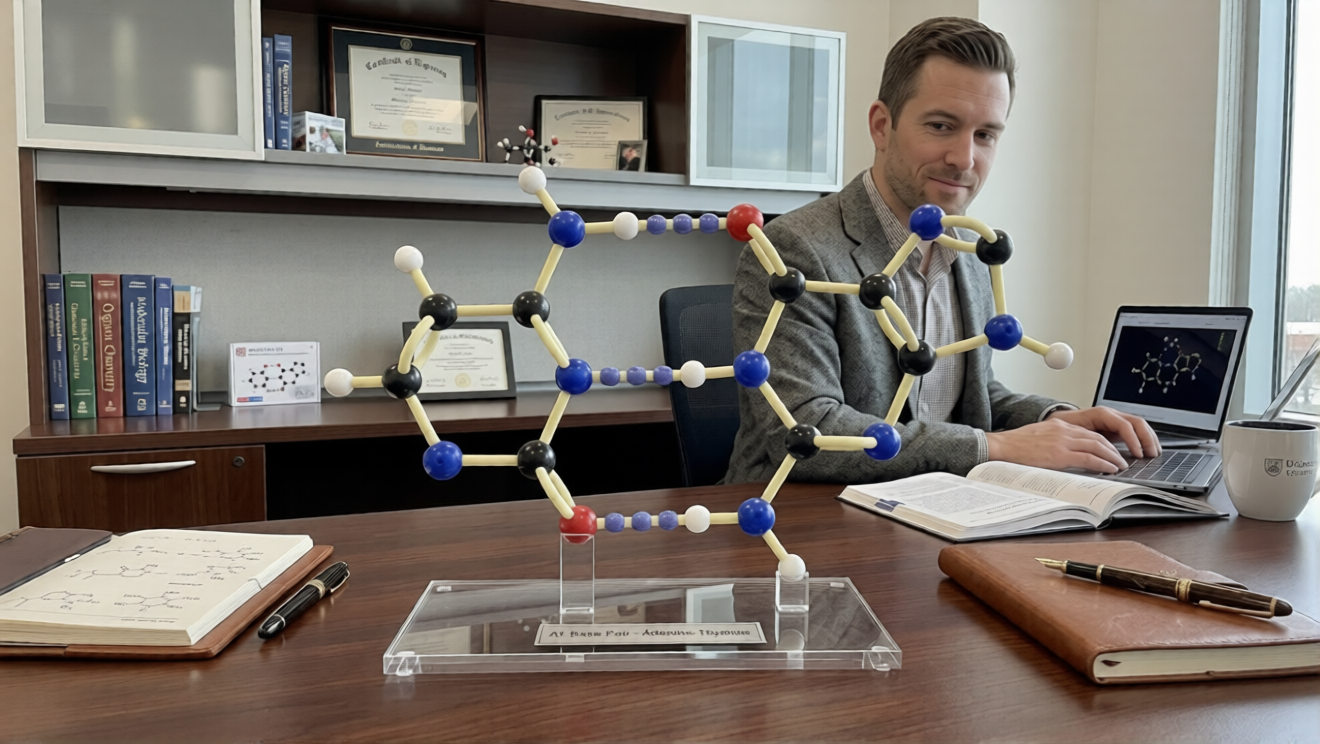
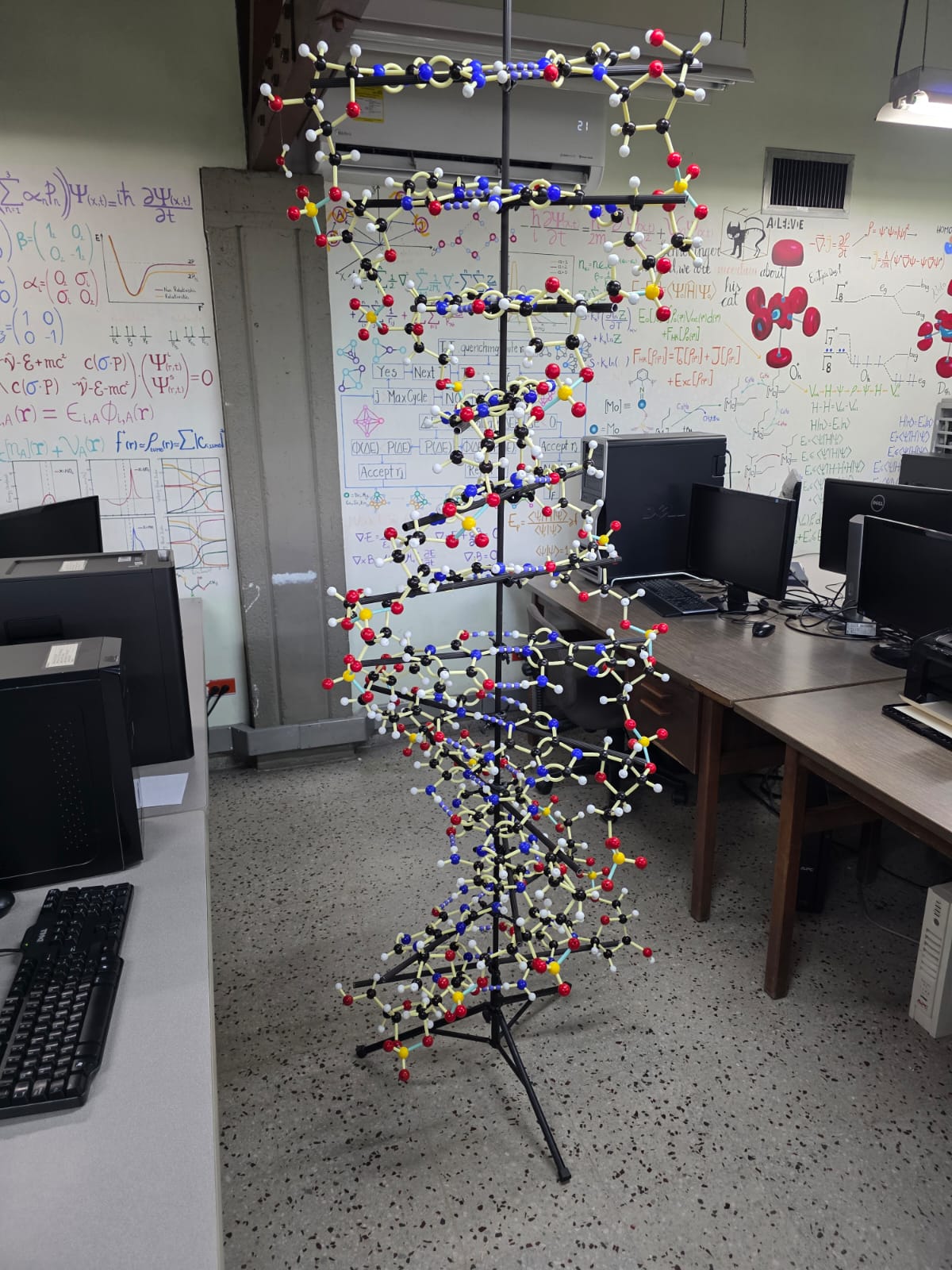
Biological information is encoded and recognized through specific molecular interactions. We explore how nucleobases pair through hydrogen bonds, forming the foundation of DNA structure. Using the Molecular Bucket kit, these interactions become visible, allowing you to explore how molecular recognition emerges from structure.
Watch on YouTube
Interactions
Pi Stacking
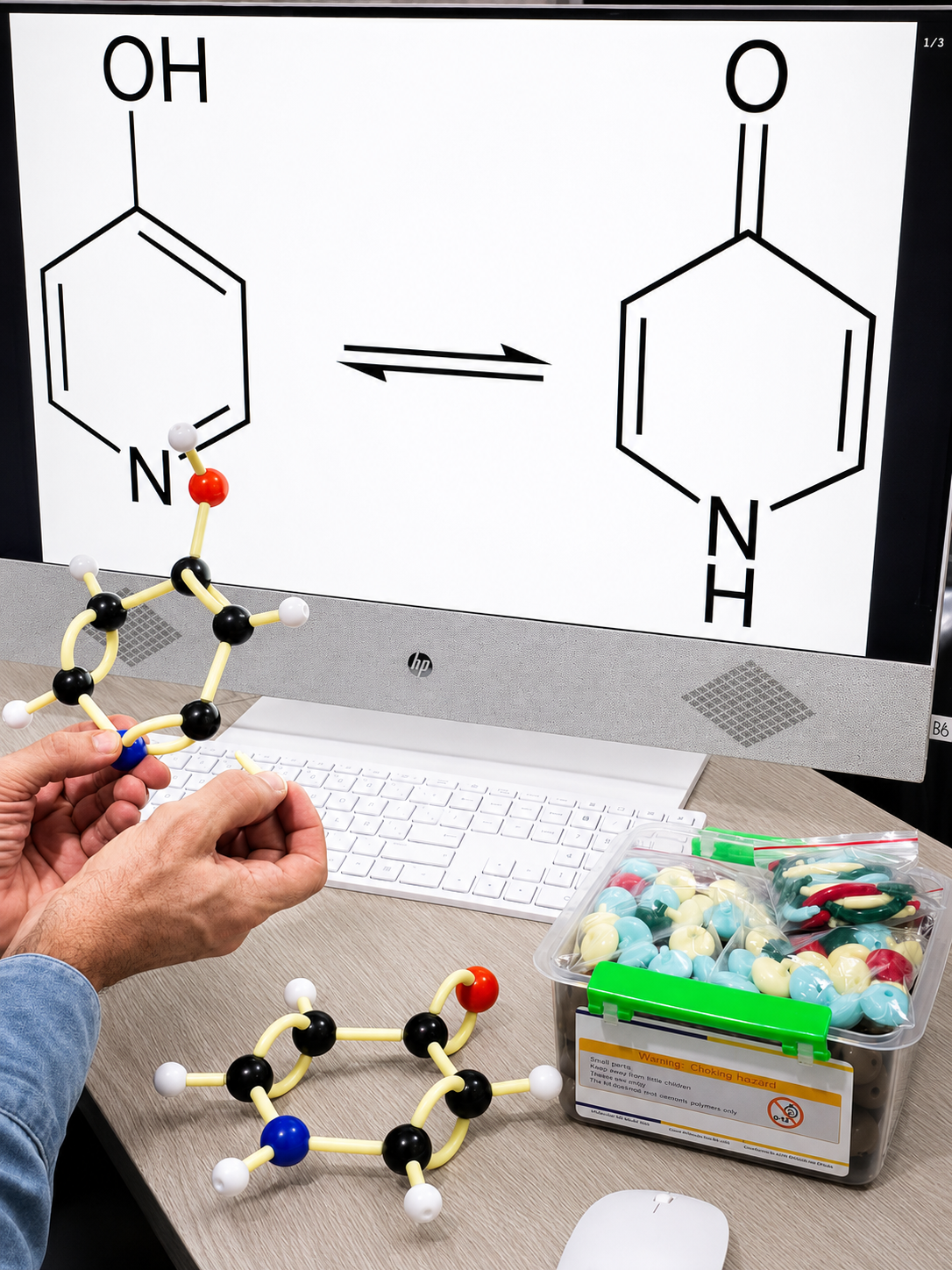
Not all interactions in chemistry are bonds. Some arise from how electrons are distributed in space. We explore aromatic systems and pi stacking, where electron distributions interact across molecules without forming covalent bonds. With the Molecular Bucket kit, these subtle interactions can be represented and explored in three dimensions.
Watch on YouTube
Geometry
C60 Fullerene
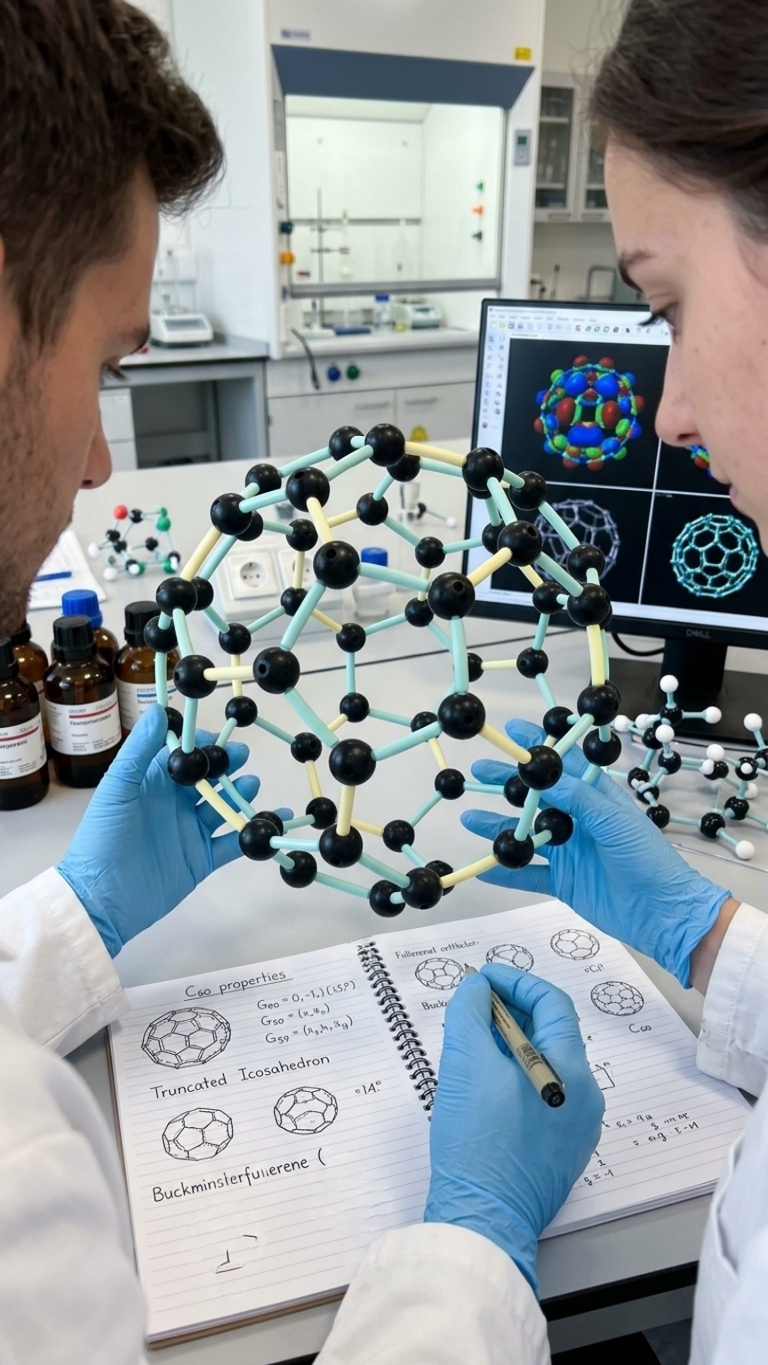
Carbon can form a remarkable variety of structures. We explore C60, a molecule composed of sixty carbon atoms arranged in a closed, spherical structure. Its geometry reveals patterns of pentagons and hexagons. The Molecular Bucket kit allows you to build and examine this structure directly, from small models to larger assemblies.
Watch on YouTube
Kinetics
Transition State (SN2 Reaction)
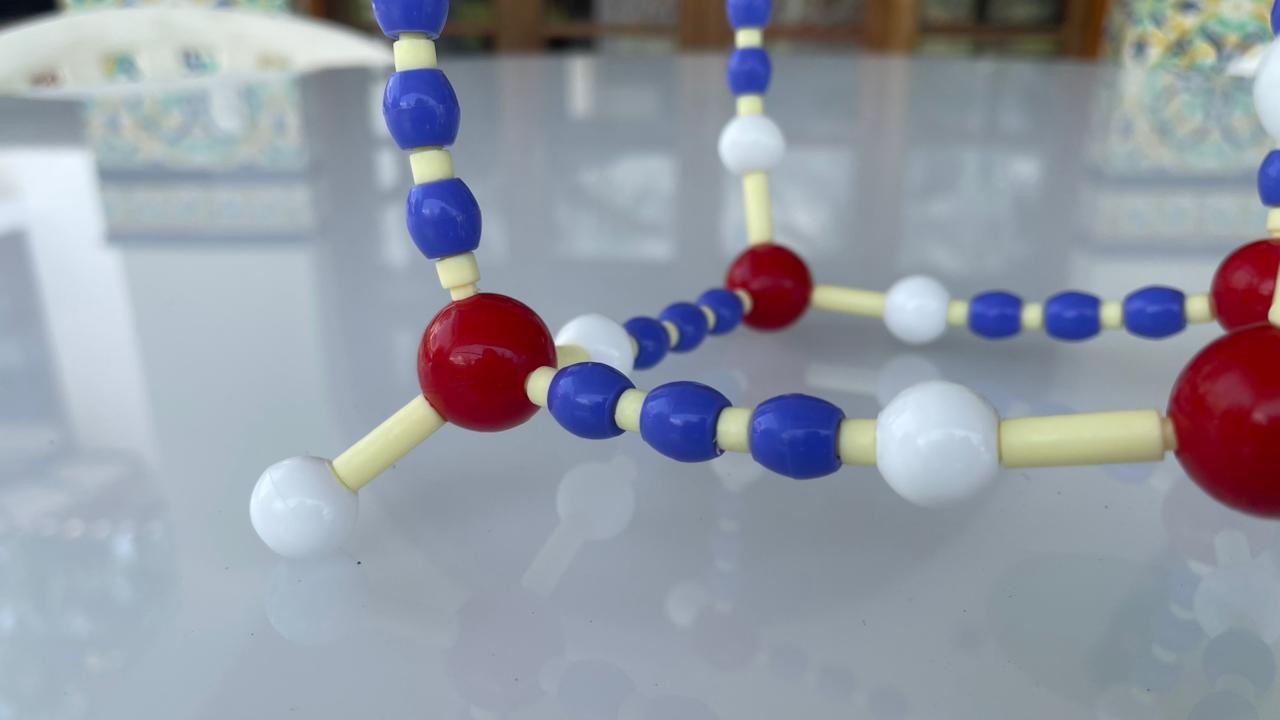
Chemical reactions are not sudden events, but continuous transformations. We explore the transition state of an SN2 reaction, where bonds are partially formed and broken at the same time. Using the Molecular Bucket kit, these transient arrangements can be visualized and explored as three dimensional structures.
Watch on YouTube
Materials
Crystals and Symmetry
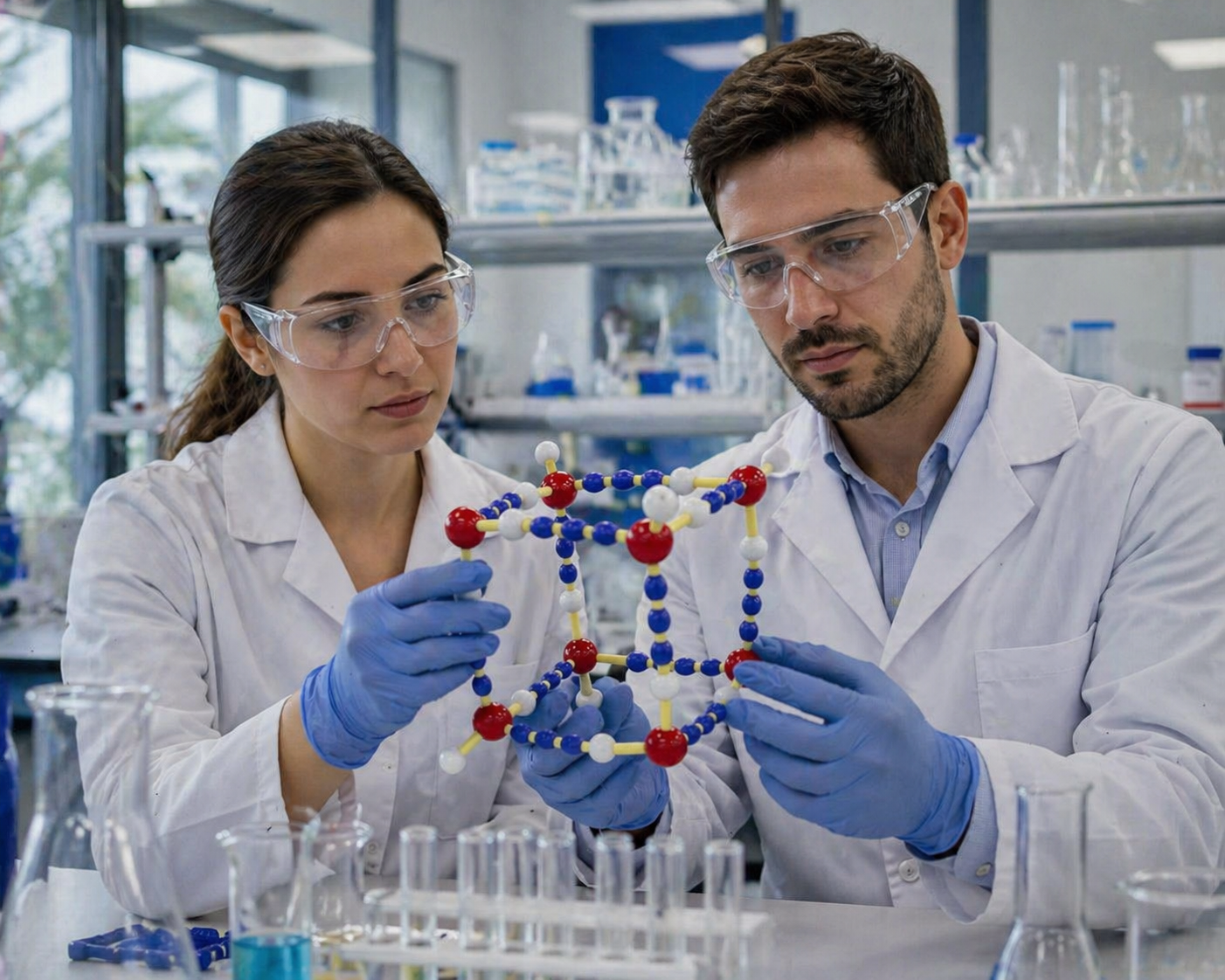
From simple local interactions, extended structures can emerge with long range order. We explore how repeating patterns give rise to crystal structures such as sodium chloride, as well as coordination geometries. The Molecular Bucket kit makes it possible to represent these interactions explicitly, allowing you to explore symmetry and structure.
Watch on YouTube